Navigating Authentication Sequences for Probability Shifts in Professional Athletic Events on Portable Interfaces
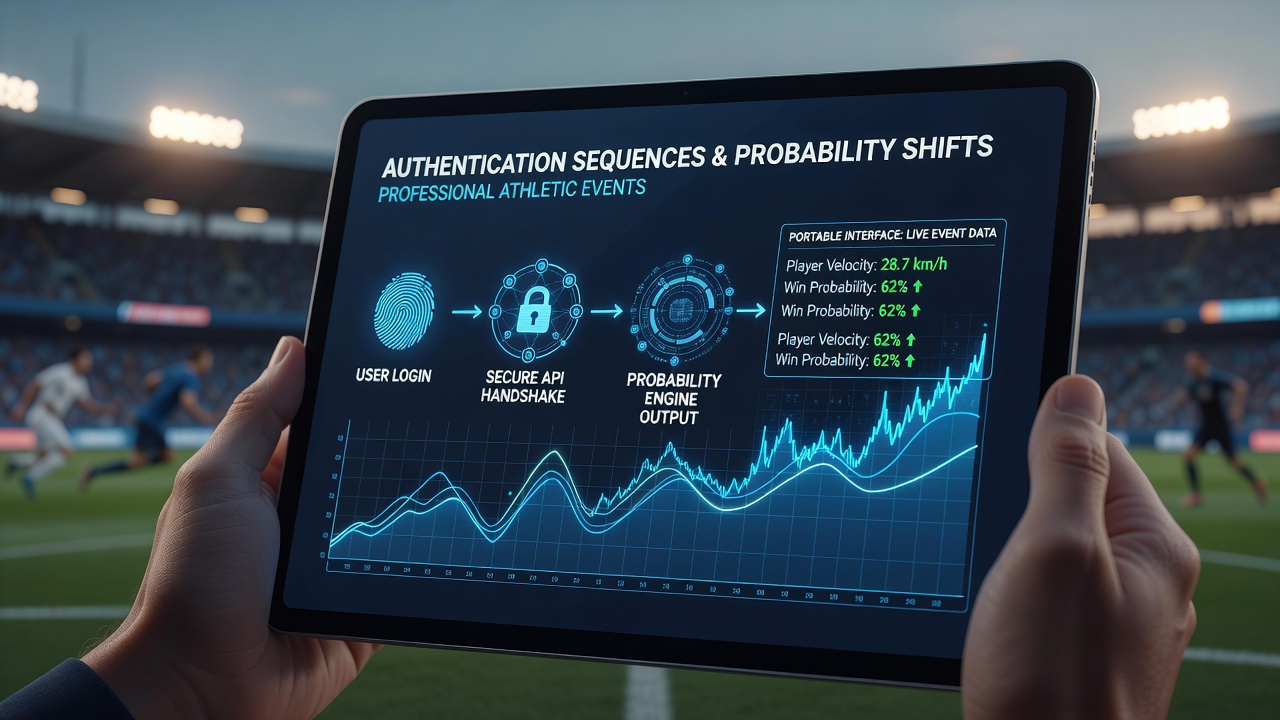
Users access real-time updates on professional athletic events through portable interfaces by completing structured authentication sequences that verify identity before displaying shifting probabilities. These sequences incorporate multiple verification layers including device recognition, biometric confirmation, and session tokens that maintain continuity while odds fluctuate during matches. Data from industry reports shows that mobile platforms process these sequences in under 10 seconds on average during peak event periods in early 2026.
Core Components of Mobile Authentication Flows
Portable interfaces rely on layered protocols that begin with credential entry followed by secondary checks such as one-time codes sent to registered devices. Researchers at various institutions have documented how these steps integrate with application programming interfaces that pull live data feeds from event operators. Observers note that once authenticated, the interface maintains an active session through encrypted connections that refresh automatically as probability values adjust based on in-match developments like player injuries or score changes.
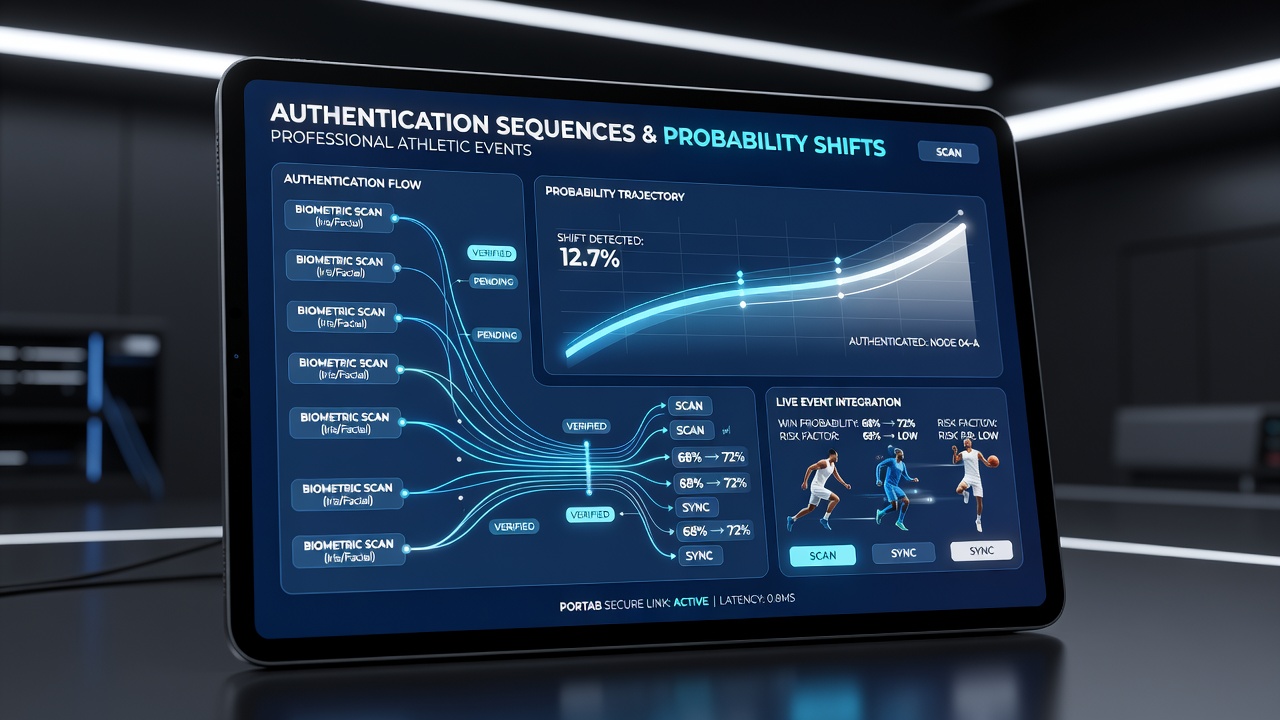
Biometric options including fingerprint and facial recognition appear in many systems because they reduce friction after the initial setup phase. Studies conducted in North America indicate that adoption rates for biometric verification reached 68 percent among frequent mobile users by the first quarter of 2026. This approach allows seamless transitions between authentication and viewing dynamic odds without repeated manual inputs.
Handling Probability Adjustments During Live Events
Probability shifts occur continuously in professional athletic events as conditions evolve, and authenticated mobile sessions receive incremental updates through push notifications or background data pulls. The sequences ensure that users remain logged in across these changes by employing token-based persistence that expires only after prolonged inactivity or explicit logout. According to figures from regulatory filings in Nevada, mobile wagering volumes tied to live events increased notably in the months leading into the 2026 World Cup preparations.
Technical Integration Points
- Session tokens link directly to backend probability engines that recalculate values every few seconds during active play.
- Device fingerprinting prevents unauthorized access while permitting quick re-entry on recognized hardware.
- Geolocation checks combine with authentication to confirm eligibility before probability data displays.
Those who've examined platform architectures report that these elements work together to minimize latency between an event development and the updated odds appearing on screen. One documented case from European operators revealed that optimized sequences cut average update times by 22 percent compared to earlier versions used in 2024.
Regional Variations in Authentication Standards
Different jurisdictions apply distinct requirements that influence how sequences unfold on portable devices. In Australia, oversight from state gaming authorities emphasizes additional identity verification steps for new accounts accessing live markets. Canadian provincial frameworks, meanwhile, focus on session monitoring protocols that flag unusual activity during probability shifts. These variations create distinct user experiences depending on location while maintaining core security principles across platforms.
Industry organizations such as the American Gaming Association have compiled data showing consistent growth in mobile authentication efficiency through 2026. Their analyses highlight how standardized token systems reduce drop-off rates during live event access. Academic papers from research groups in Asia further examine how network conditions in high-density urban areas affect sequence completion times for probability updates.
Security Protocols and User Pathways
Encryption standards protect the transmission of authentication data alongside live probability feeds, preventing interception during transmission. Multi-factor methods often include a combination of knowledge-based questions and device-bound authenticators that activate only when probability data requests occur. Observers tracking platform performance note that these measures scale effectively during high-traffic periods such as major international tournaments scheduled for mid-2026.
People navigating these pathways frequently encounter progress indicators that guide them through each verification stage without interrupting access to ongoing event data. The design prioritizes continuity so that once inside the authenticated environment, shifts in athletic event probabilities appear without requiring re-entry of credentials.
Conclusion
Authentication sequences on portable interfaces form the gateway to real-time probability information for professional athletic events, combining verification layers with session management that accommodates constant updates. Regional regulatory approaches and technical standards continue to shape how these processes operate across different markets. As mobile usage expands ahead of major 2026 competitions, the integration of biometric tools and token systems supports efficient access while upholding security requirements established by various governing bodies.