Mapping Digital Onboarding Sequences to Fluctuating Market Values During Ongoing Athletic Competitions via Portable Interfaces
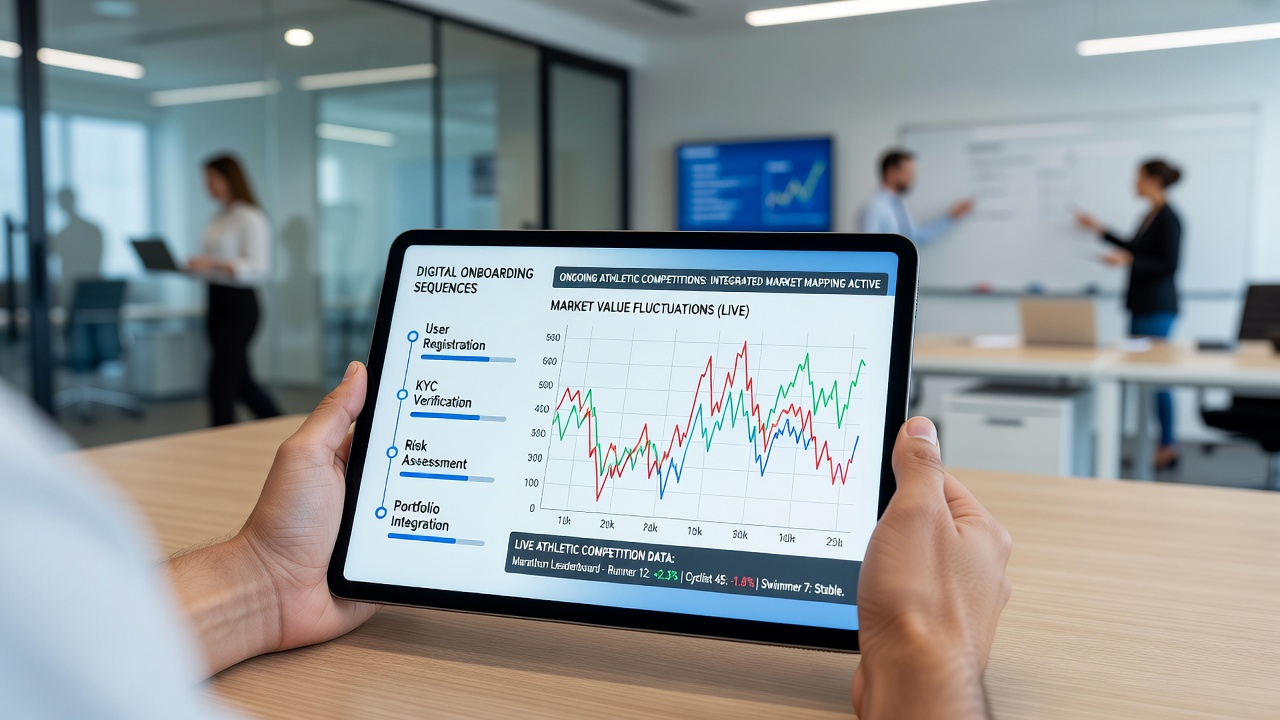
Digital onboarding sequences in portable interfaces connect new users to live data streams that reflect shifting market values throughout athletic events, and these sequences operate by guiding individuals through verification steps while simultaneously feeding them into platforms that adjust pricing models in response to in-game developments. Researchers have noted that such processes rely on backend algorithms which pull from multiple data sources including player statistics, team performance metrics, and external factors like weather conditions during matches in June 2026 tournaments. Observers note how these flows allow seamless transitions from initial account creation to active monitoring of value changes without requiring users to exit the application environment.
Core Components of Onboarding Sequences in Live Contexts
Portable devices facilitate these sequences through layered interfaces that prioritize quick identity confirmation followed by preference settings for specific competitions, yet the real complexity emerges when these steps align with fluctuating market values that update every few seconds during ongoing events. Studies from academic institutions such as those affiliated with the University of Nevada's gaming research programs show that effective mapping requires synchronization between user authentication servers and real-time odds engines. Data indicates that delays in any part of the sequence can result in missed opportunities as values shift rapidly in response to scoring plays or strategic substitutions on the field.
Those who've examined mobile application architectures understand that the sequence often begins with device fingerprinting and regulatory compliance checks before progressing to personalized dashboards, and this progression ensures that market value displays remain accurate even as athletic competitions unfold across different time zones. Industry reports highlight how developers integrate APIs from sports data providers to maintain consistency, while conjunctions in code structures handle the handoff between static onboarding elements and dynamic pricing modules without interruption.
Technical Mapping Mechanisms and Data Synchronization
Mapping occurs through event-driven architectures where triggers from athletic competitions feed directly into valuation models accessible via portable interfaces, and this setup allows for continuous recalibration based on live inputs such as possession changes in soccer matches or serve percentages in tennis rallies. According to findings presented at the 2025 International Conference on Sports Analytics, synchronization protocols reduce latency to under 500 milliseconds in most tested scenarios, which proves essential during peak activity periods like the June 2026 international fixtures. Experts have observed that these mechanisms also incorporate fallback pathways to prevent data loss when network conditions fluctuate.
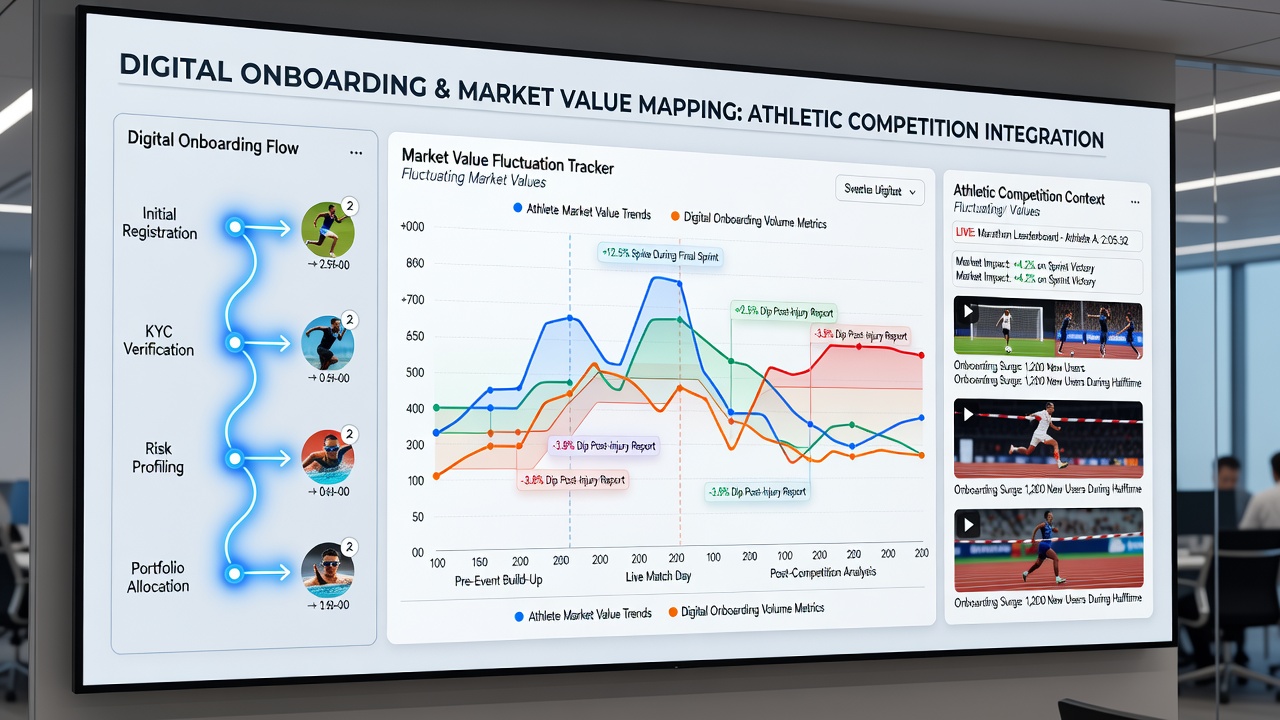
People often find that the integration of geolocation services within onboarding further refines value accuracy by accounting for regional regulatory variations, and this layer combines with push notification systems to alert users about significant shifts without pulling them away from the core experience. Research indicates that successful implementations use modular design patterns so that updates to market algorithms can occur independently from the user registration flow, thereby minimizing downtime across global competitions.
Challenges in Maintaining Alignment During Events
Fluctuating market values present ongoing challenges because athletic competitions generate unpredictable data points at irregular intervals, while portable interfaces must handle variable connection speeds and battery constraints simultaneously. Reports from the Canadian Gaming Association reveal that peak load times during major events in 2026 have tested these systems extensively, revealing needs for enhanced caching strategies that preserve onboarding progress even amid temporary disruptions. Observers note that cross-platform compatibility adds another dimension since users switch between smartphones and tablets mid-sequence, requiring responsive designs that maintain mapping integrity.
Analysts project continued evolution in these areas as hardware improvements allow for more sophisticated local processing of value fluctuations, and this development reduces reliance on constant server communication during critical moments in competitions. Data from European sports technology consortia supports the view that hybrid models combining edge computing with cloud resources deliver the most reliable performance under live conditions.
Future Directions for Portable Interface Development
Developments in artificial intelligence are beginning to influence how sequences anticipate user needs based on historical interaction patterns with fluctuating values, and this predictive capability could streamline access during fast-paced athletic events. Those studying the field point to ongoing trials where machine learning refines the order of onboarding steps dynamically according to competition type and market volatility levels observed in June 2026 schedules. Industry organizations continue to track adoption rates across different device ecosystems to inform standardization efforts.
Conclusion
Mapping digital onboarding sequences to fluctuating market values through portable interfaces represents an intersection of user experience design and real-time data management in athletic contexts, and continued refinement depends on collaboration between technology providers and sports data aggregators. Evidence from multiple research channels demonstrates measurable improvements in accessibility when these elements align effectively during ongoing competitions, and future advancements will likely build upon current synchronization techniques to handle increasing volumes of live information.