Inside the Mechanics of Dynamic Pricing Updates During Professional Matches Accessed Through Smartphone Applications
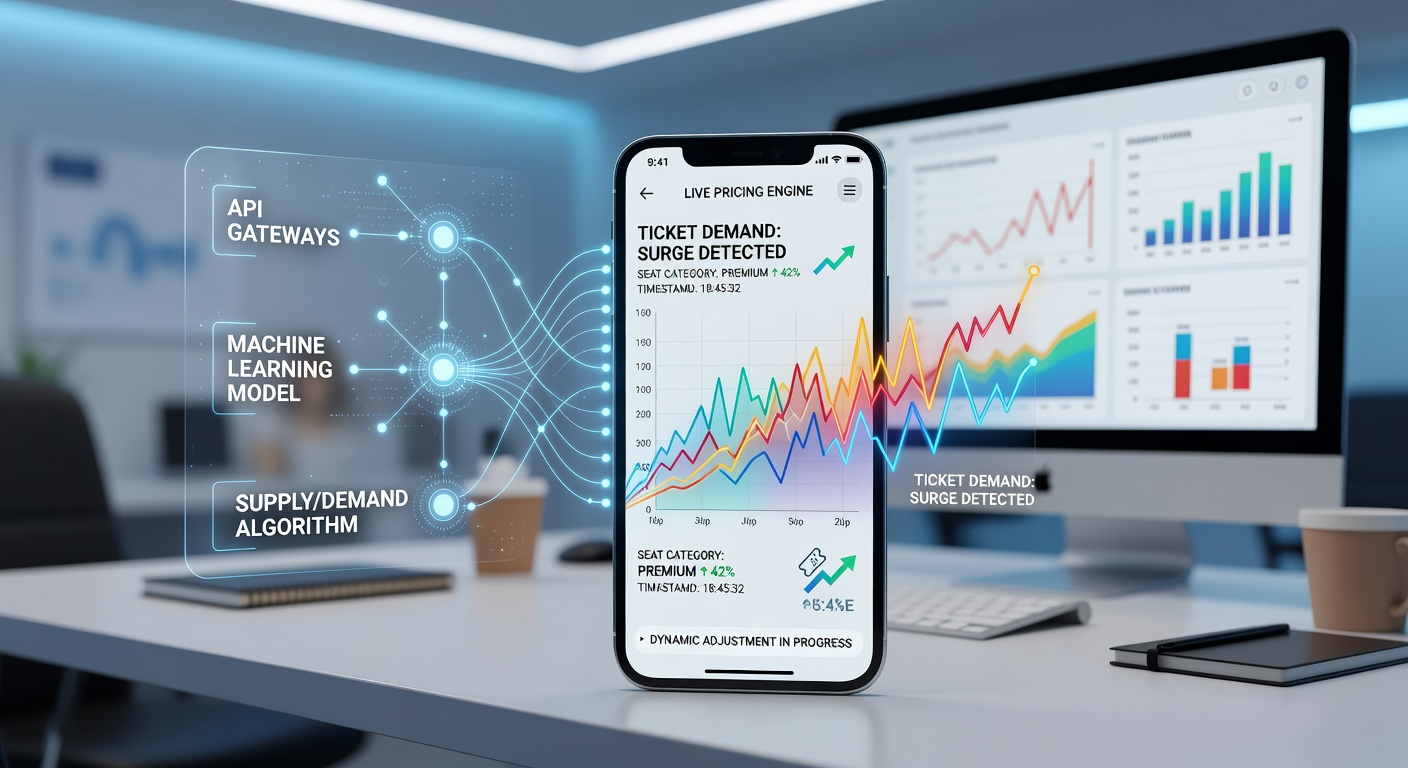
Professional sports matches generate continuous streams of data that feed directly into smartphone applications, where dynamic pricing systems recalculate odds and values in seconds. These updates rely on integrated data pipelines that pull statistics from venues, official feeds, and sensor networks, then process them through algorithms designed to reflect shifting probabilities during play.
Data Collection Infrastructure
Stadiums and arenas deploy optical tracking systems along with player-worn devices that capture ball movement, athlete positioning, and performance metrics at high frequency. Broadcasters and leagues transmit this information through dedicated APIs that betting operators subscribe to, allowing applications to receive structured packets containing event details such as goal attempts, point differentials, and injury reports. In June 2026, several major tennis and basketball tournaments expanded their data-sharing agreements with technology providers to reduce transmission delays below one second.
Operators maintain redundant connections to multiple sources so that a single feed interruption does not halt updates. Middleware servers normalize incoming data into standardized formats before forwarding it to pricing engines hosted in cloud environments close to user regions, which minimizes latency for mobile connections.
Algorithmic Pricing Engines
Once raw data arrives, pricing engines apply statistical models that combine historical performance databases with current match variables. These models recalculate implied probabilities for outcomes such as next goal, set winner, or point spread adjustments. Machine learning components adjust weights for factors including time remaining, score margin, and momentum indicators derived from recent sequences of play.
Engineers program safeguards that prevent extreme swings unless corroborated by multiple independent signals. When a sudden event occurs, such as a red card or technical timeout, the system queues a series of micro-updates that propagate to user devices through push notification channels and websocket connections rather than full page reloads.
Mobile Application Architecture
Smartphone applications cache baseline pricing structures locally while maintaining persistent connections to backend services. When fresh calculations complete, delta packets containing only changed values travel to devices, where client-side rendering updates displayed numbers without disrupting the user interface. Battery and data usage remain low because the design avoids constant polling in favor of server-initiated pushes.
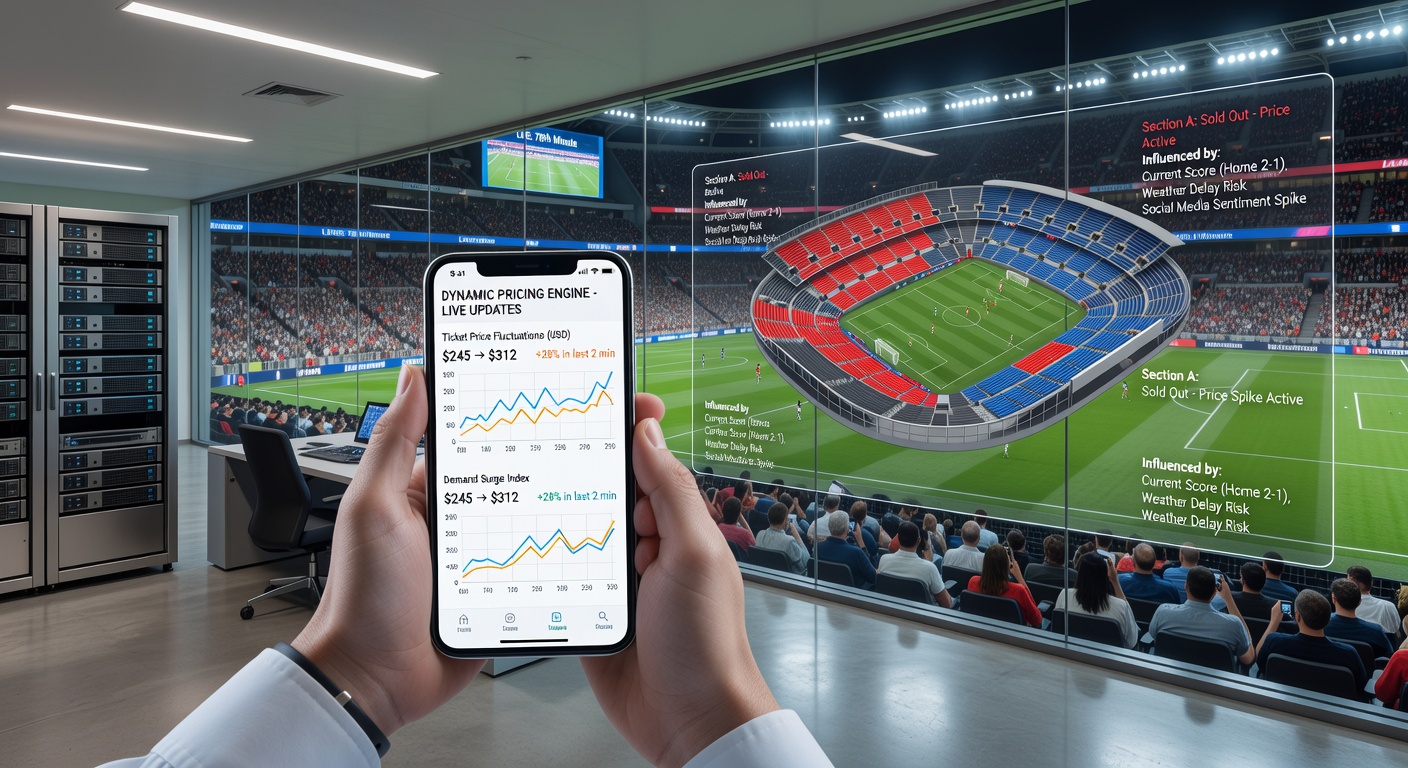
Developers incorporate fallback mechanisms so that if network conditions degrade, the app displays the last confirmed price alongside a timestamp, then resumes live synchronization once connectivity stabilizes. Security layers encrypt both incoming data streams and stored information to meet requirements set by regional regulatory frameworks.
Regulatory Oversight and Compliance Mechanisms
State and provincial authorities require operators to log every pricing change with millisecond precision for audit purposes. In the United States, the Nevada Gaming Control Board and the New Jersey Division of Gaming Enforcement maintain separate monitoring portals that receive automated feeds from licensed platforms. Australian state regulators similarly mandate transparency reports detailing how algorithms respond to in-match events.
Industry groups such as the American Gaming Association publish technical guidelines that encourage consistent latency standards across operators. Academic researchers at institutions including the University of Nevada, Las Vegas have examined these systems through anonymized datasets, documenting average update intervals ranging from 800 milliseconds to three seconds depending on sport and network conditions.
Latency Reduction Strategies
Edge computing nodes positioned near major population centers process a portion of calculations locally before syncing with central databases. This approach shortens round-trip times for users accessing matches from mobile networks. Content delivery networks further distribute static assets such as team rosters and historical charts, freeing primary servers to handle only dynamic variables.
Testing protocols simulate peak loads during championship events to verify that pricing engines maintain throughput when simultaneous matches generate overlapping data spikes. Engineers monitor queue depths and adjust resource allocation automatically through orchestration tools.
Conclusion
Dynamic pricing systems operating inside smartphone applications during professional matches integrate high-speed data feeds, statistical modeling, and mobile-optimized delivery channels to maintain current values throughout events. Regulatory bodies across multiple jurisdictions enforce logging and transparency standards that support ongoing technical refinement. Continued investment in edge infrastructure and API standardization shapes how these updates reach users in real time.