Decoding Algorithmic Adjustments Linking Welcome Incentives to Mid-Game Stakes on Pocket Devices for Court and Pitch Events
Written by Iris Otto · Aug 22, 2026
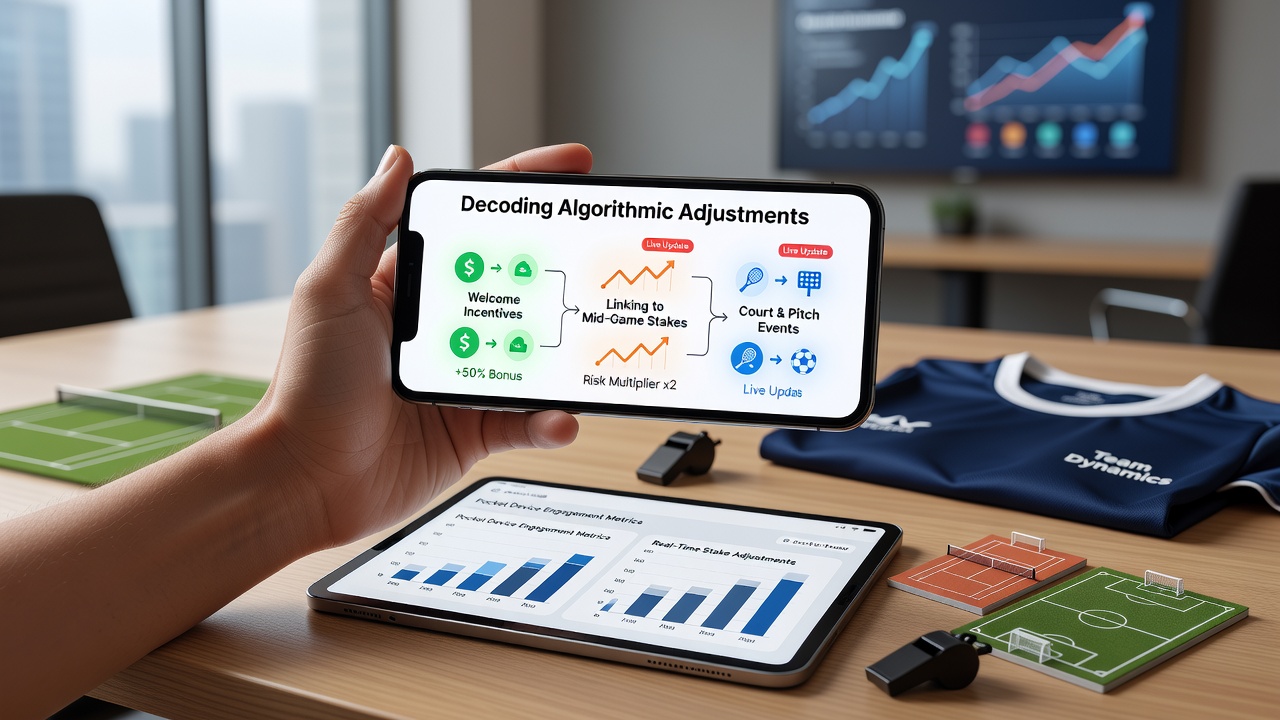
Decoding Algorithmic Adjustments Linking Welcome Incentives to Mid-Game Stakes on Pocket Devices for Court and Pitch Events
Algorithms now connect initial welcome incentives directly to ongoing stakes in real time on mobile applications for tennis court matches and soccer pitch events, and data from industry monitoring shows these systems update eligibility criteria as matches progress through various stages. Observers note that operators deploy machine learning models to recalibrate bonus values based on live performance metrics, user engagement patterns, and market fluctuations during August 2026 tournaments.
Core Mechanisms in Real-Time Adjustments
These platforms process inputs from match data feeds alongside user account histories, and they apply weighted formulas that determine whether a welcome bonus can convert into mid-game wagers on handheld devices. Researchers have documented cases where adjustments occur within seconds of a point or goal, shifting the available stake amounts or rollover requirements to align with current odds. Data indicates that such linkages reduce bonus expiration rates while maintaining compliance with regional wagering rules.
Data Inputs Driving the Process
Systems pull variables including player statistics, set scores in tennis, possession percentages in soccer, and device-specific session lengths, then feed these into predictive models that forecast user behavior. According to reports from the American Gaming Association, operators refine these models using aggregated anonymized datasets from prior events to improve accuracy in linking incentives to live positions. The process incorporates time-sensitive triggers that activate only when certain thresholds in match volatility are crossed.
One documented workflow involves initial sign-up credits that remain locked until the algorithm detects sustained mobile activity during a court or pitch event, after which partial releases become available for immediate use. This creates a seamless progression from onboarding to active participation without separate manual steps.
Implementation Across Tennis and Soccer Markets
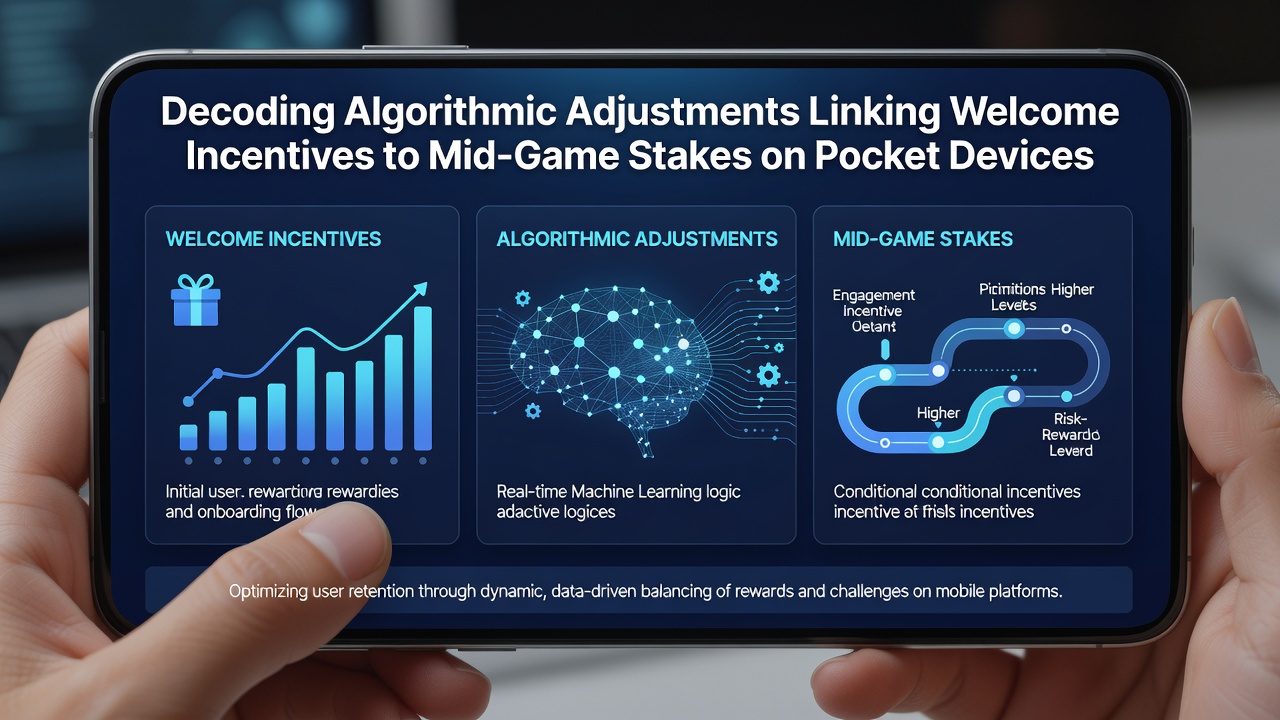
During professional tennis tournaments and soccer leagues in August 2026, applications adjust incentive parameters based on serve percentages, rally lengths, or attacking sequences, and these changes appear directly in the mobile interface for users holding active welcome offers. Studies from academic institutions such as the University of Nevada Gaming Research Center reveal that soccer markets often see faster recalibrations due to higher goal frequency compared to the point-by-point structure in tennis. The algorithms prioritize balance between user retention and risk management by scaling stake multipliers accordingly.
Integration with device sensors further refines outputs, allowing location-aware modifications when users attend events in person versus watching remotely. This geographic layering adds another dimension to how welcome incentives tie into specific mid-game opportunities on pocket devices.
Regulatory Context and Compliance Layers
Government agencies including the New Jersey Division of Gaming Enforcement track these algorithmic practices to ensure transparency in bonus conversions, and similar oversight appears in Canadian provincial frameworks where mobile sports wagering has expanded. Reports compiled by the European Gaming and Betting Association highlight standardized reporting requirements that operators must meet when linking incentives to live court and pitch activities. These measures address potential discrepancies between advertised welcome terms and actual mid-event adjustments.
Testing protocols run continuously to verify that adjustments remain within permitted ranges, preventing unintended advantages or restrictions during peak tournament periods. Figures from regulatory filings show increased audit frequency for mobile-specific features in both tennis and soccer verticals throughout 2026.
Technical Architecture Behind the Linkages
Cloud-based processing units handle the heavy computation while edge computing on user devices manages immediate display updates, and this hybrid setup supports low-latency connections essential for real-time stake modifications. Developers integrate application programming interfaces that pull from official match data providers, ensuring the algorithms operate on verified event information rather than estimates. Observers have noted that fallback mechanisms activate during connectivity disruptions to preserve incentive integrity until full synchronization resumes.
Version control systems log every parameter shift, creating audit trails that link specific welcome incentive changes to corresponding match moments on individual accounts. This traceability supports both internal reviews and external compliance checks across multiple jurisdictions.
Conclusion
The evolution of these algorithmic connections continues to shape how welcome incentives interact with mid-game opportunities on mobile platforms for tennis and soccer events. Data from multiple monitoring sources demonstrates consistent refinement in adjustment speed and precision as operators respond to user patterns and regulatory expectations. Continued documentation of these processes provides clearer visibility into the operational frameworks governing such linkages during periods of high activity like August 2026.