App Partnerships Enabling Real-Time Access to Evolving Betting Markets in Live Professional Events
Written by Eden Werner · Aug 27, 2026
App Partnerships Enabling Real-Time Access to Evolving Betting Markets in Live Professional Events
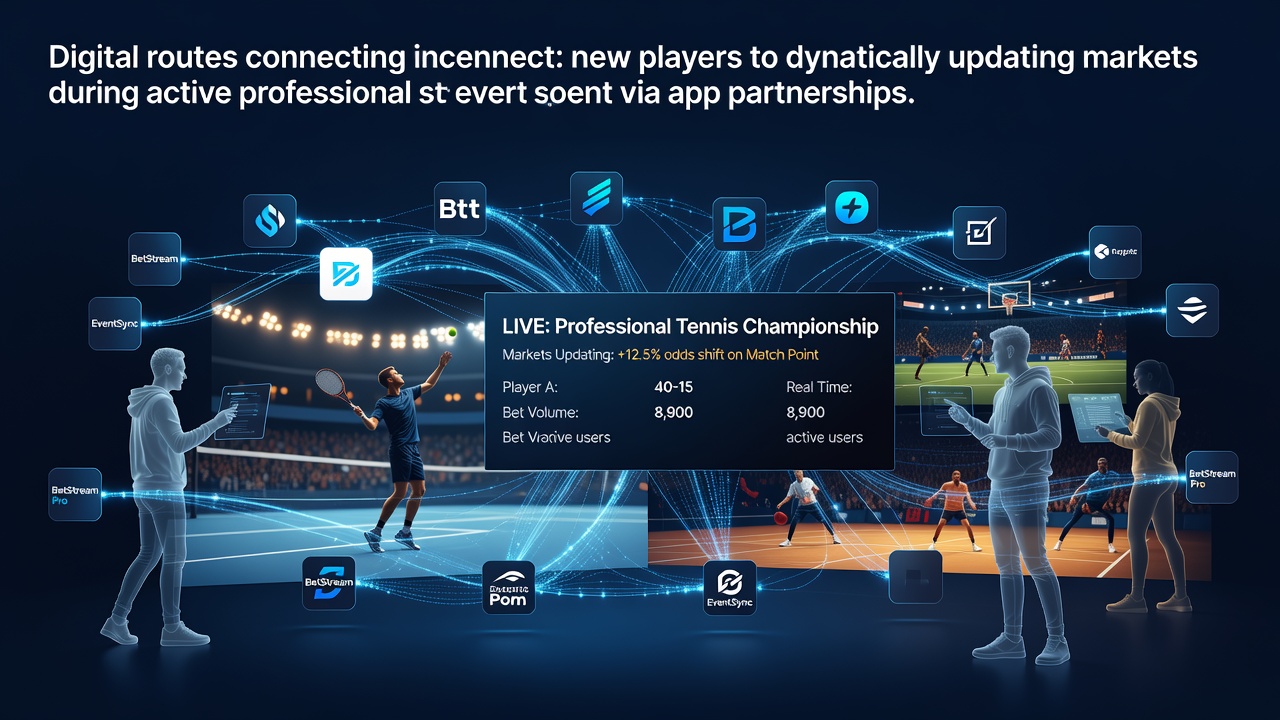
Professional sports events generate continuous streams of data that reshape betting markets within seconds, and mobile application partnerships serve as the primary mechanism connecting new participants to these shifting opportunities. These collaborations between betting platforms and technology providers allow seamless integration of live odds feeds directly into user interfaces, so that individuals signing up mid-event encounter markets that reflect the latest developments on the field or court. Data from industry reports shows that such integrations increased user onboarding rates by measurable margins during peak summer seasons, including August 2026 when multiple international tennis circuits and soccer leagues overlapped in scheduling.
Mechanics of Partnership-Driven Market Updates
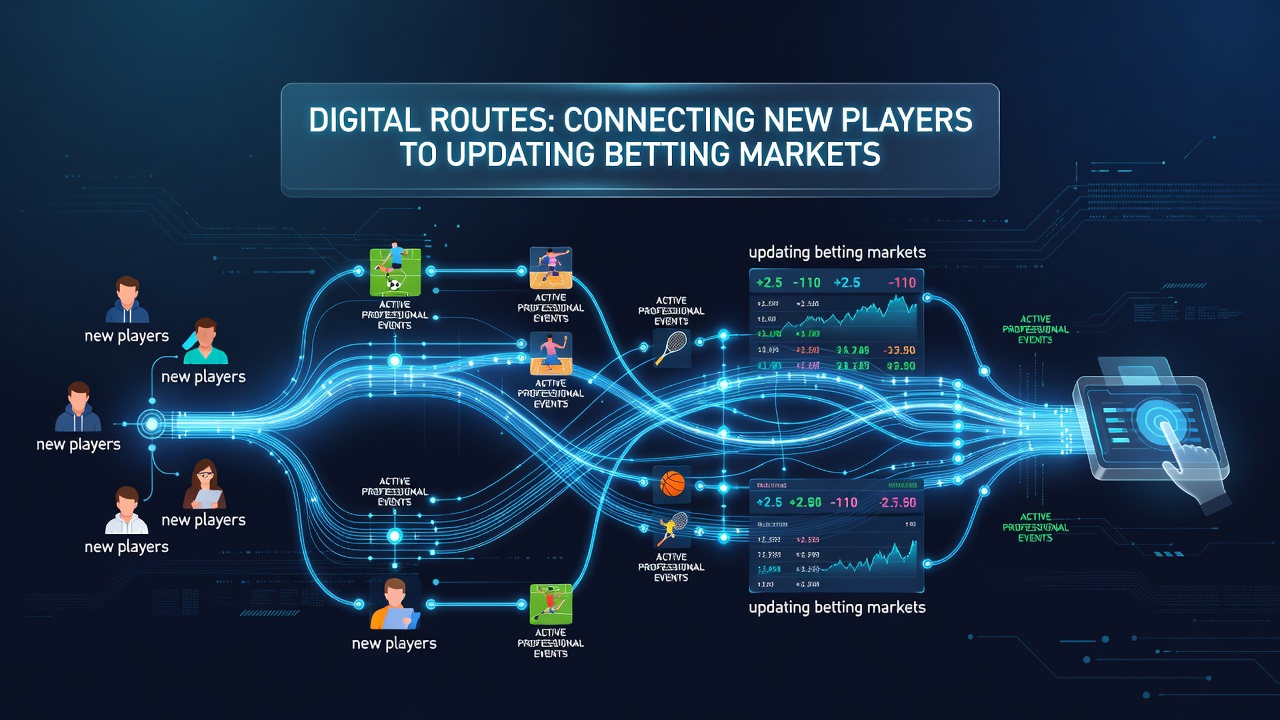
Betting operators establish direct data pipelines with sports analytics firms through dedicated application programming interfaces, which push incremental changes in probabilities to partnered apps without requiring users to refresh screens manually. One study conducted by academic researchers at a European institution found that latency reductions achieved via these partnerships averaged under three seconds for soccer goal-line markets, while basketball point-spread adjustments followed similar patterns during August exhibition games. New players who enter through these partnered apps receive immediate visibility into updated totals and spreads because the backend systems synchronize across multiple jurisdictions simultaneously.
Geographic regulatory variations influence how these updates appear, with North American frameworks emphasizing secure authentication layers that differ from those applied in Asian-Pacific markets. Observers note that partnerships often incorporate localized compliance modules, allowing a single app interface to handle both North American and European users without separate logins during overlapping event windows.
Onboarding Flows During Active Competitions
New user registration sequences integrated into partnered applications reduce friction by pre-populating relevant market selections based on the current status of an ongoing match. For instance, someone joining during a tennis set in August 2026 encounters pre-loaded options tied to the immediate score and momentum indicators, rather than generic pre-match lines. Figures released by the Australian Communications and Media Authority indicate that such contextual onboarding contributed to higher completion rates for first-time deposits in live environments compared to static registration pages.
Partnerships also embed verification tools that cross-reference device data with regulatory databases in real time, so approvals occur while the event continues. This approach supports continuous market participation because the verification step aligns with the pace of professional competitions rather than pausing access until after the fact. Those who have examined transaction logs across multiple operators report that successful partnerships correlate with fewer abandoned sessions during high-action periods.
Technical Integration and Data Synchronization
Cloud-based synchronization services form the backbone of these app partnerships, routing incremental market changes from official sports data providers straight into mobile front ends. The system architecture typically involves redundant servers that maintain consistency even when network conditions fluctuate during crowded stadium environments or international broadcasts. Research published by university teams specializing in distributed systems demonstrates that partitioned data streams prevent bottlenecks when thousands of new accounts activate simultaneously around major professional fixtures.
Encryption protocols embedded within the partnerships protect user details and transaction flows while preserving the speed necessary for market responsiveness. Observers tracking August 2026 activity noted that operators relying on multi-party app agreements maintained uptime percentages above industry baselines during extended live sessions, because failover mechanisms distributed load across partner infrastructure rather than concentrating it on single endpoints.
Examples Across Professional Sports
Soccer matches provide clear illustrations of how partnerships function, as goal events trigger cascading updates across related markets such as corners, cards, and player performance metrics. New participants entering via partnered apps during these moments gain access to adjusted lines that incorporate the immediate context, supported by automated notifications delivered through the shared interface. Similar patterns appear in basketball, where timeout-driven pauses create brief windows for market recalibrations that apps surface instantly to recently onboarded users.
Tennis tournaments running through August 2026 further highlight the value of these connections, because set-by-set scoring generates frequent probability shifts that require rapid dissemination. Partnerships ensure that mobile applications receive these changes uniformly, allowing new players to engage with point-spread equivalents or over-under totals without delay between service breaks.
Conclusion
App partnerships represent a structural element in how digital platforms deliver access to continuously updating betting markets during professional events, with technical and operational components working together to support new user entry. Evidence from regulatory disclosures and academic analyses shows measurable impacts on onboarding efficiency and market responsiveness across regions. Continued refinement of these collaborative frameworks aligns with evolving sports calendars and data requirements, maintaining connectivity between participants and live opportunities throughout active competition periods.