Affiliate Channel Dynamics in Connecting Bettors to Evolving In-Game Markets for Gridiron, Court, and Racquet Competitions Through Portable Interfaces
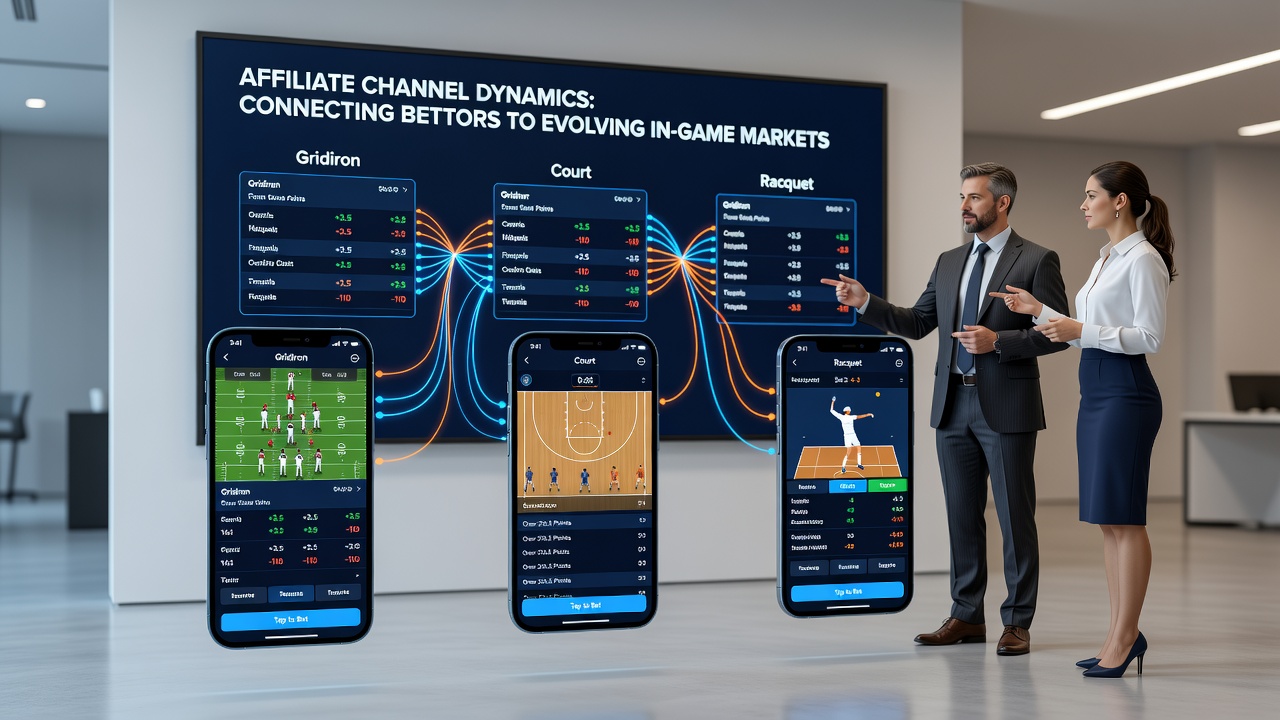
Affiliates operate as intermediaries that route users from discovery platforms to operator applications where in-game wagering unfolds across American football, basketball, and tennis events, and data from regulatory filings indicate that mobile traffic now accounts for over 70 percent of such activity in major U.S. markets during the 2026 season. These pathways rely on optimized landing pages, push notifications, and deep links that update in real time as play progresses, allowing bettors to access shifting odds without leaving their handheld devices.
Mechanics of Affiliate Routing in Live Markets
Operators feed affiliates real-time data streams that reflect score changes, player substitutions, and momentum shifts, while the affiliate layer manages user acquisition through targeted campaigns timed to match windows such as fourth-quarter drives in gridiron contests or tiebreak sequences in racquet events. According to figures released by the American Gaming Association, affiliate-driven sign-ups contributed to a 14 percent rise in mobile in-play handle for professional basketball during the first half of 2026. The process involves cookie-based tracking that persists across app switches, combined with geo-fencing that ensures compliance with state licensing boundaries.
Gridiron-Specific Patterns and Court Competition Parallels
In gridiron markets, affiliates prioritize quick-entry prompts that surface during commercial breaks, directing traffic toward propositions on next-play outcomes or defensive adjustments that evolve within seconds of each snap. Observers tracking mobile sessions note that basketball betting flows often mirror these tactics yet adapt to continuous clock movement, with redirects calibrated to foul trouble updates or timeout opportunities. Both categories benefit from the same backend pricing engines that refresh every few seconds, yet gridiron events generate longer dwell times on portable screens because of their segmented structure.
Portable Interface Adaptations for Racquet Events
Tennis presents distinct timing challenges because points conclude rapidly and set scores reset frequently, prompting affiliates to deploy simplified interfaces that collapse multiple bet types into single-tap selections. Research published by the University of Nevada, Las Vegas International Gaming Institute shows that racquet competition mobile sessions average 22 percent shorter than gridiron ones yet produce higher per-minute transaction rates when affiliates surface live set and game markets immediately after each point. These interfaces incorporate swipe gestures and haptic feedback that align with the pace of serve exchanges, reducing friction between decision and confirmation.
Market evolution continues as operators introduce micro-markets such as next-point winner in tennis or next first-down conversion in football, all accessible through the same affiliate funnels that already handle standard moneyline and spread wagers. In July 2026, several major platforms expanded their racquet offerings to include clay-court specific variables like break-point conversion rates, reflecting seasonal adjustments in surface play that affiliates then promote through seasonal campaign creatives.
Data Flows and Compliance Considerations
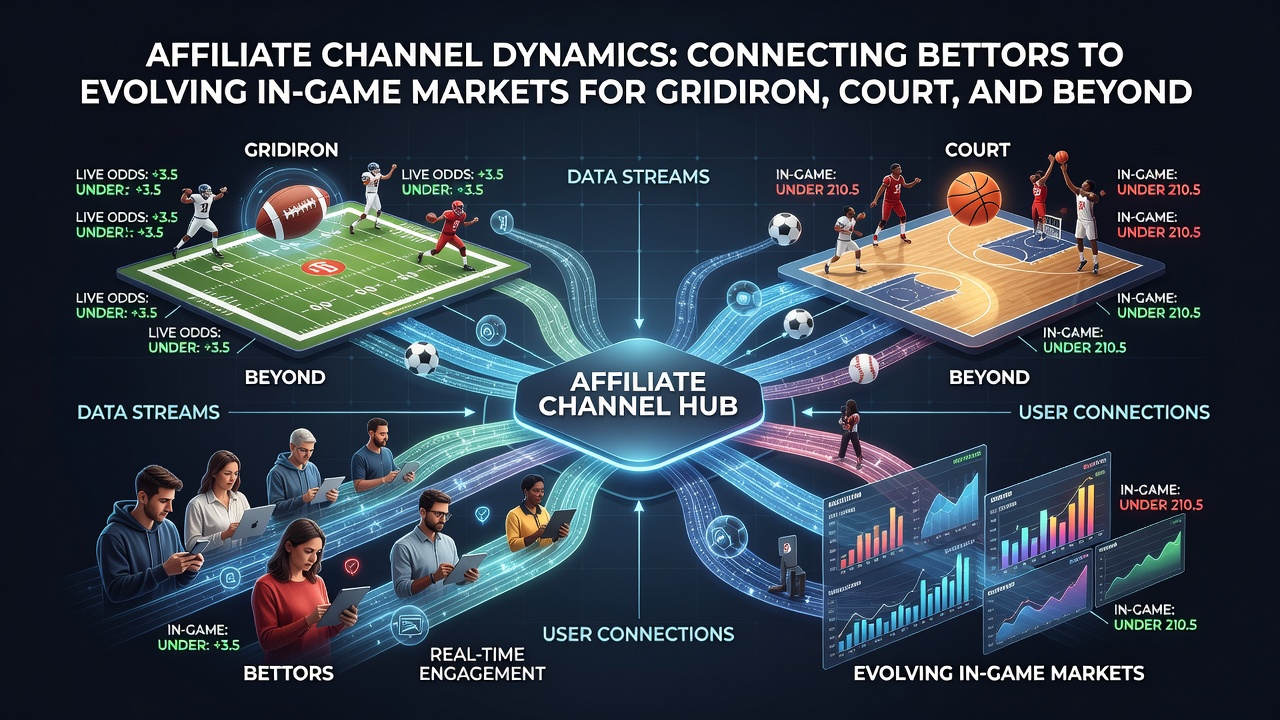
Real-time synchronization between affiliate dashboards and operator risk engines ensures that promotional offers remain valid only while the underlying odds stay active, a requirement enforced through automated API calls that expire links once markets close. Canadian provincial regulators, including those in Ontario, have documented similar patterns in cross-border mobile traffic, noting that affiliate compliance logs now incorporate timestamped screenshots of every odds display presented to users. These records support audit trails that trace each wager back to the originating campaign without exposing personal betting histories.
Seasonal spikes appear during overlapping schedules when gridiron training camps intersect with tennis hard-court swings and basketball summer leagues, creating concentrated windows where affiliates test multivariate creatives to determine which combinations yield the highest conversion from click to funded account. The resulting datasets reveal that push-notification timing outperforms email by a factor of three during live tennis matches, whereas gridiron audiences respond more consistently to in-app banners triggered by score differentials.
Conclusion
Affiliate networks continue to refine routing logic that matches bettor intent with the fastest available mobile pathway into evolving in-game markets across gridiron, court, and racquet disciplines. As portable interfaces incorporate additional sensor data and predictive overlays, the underlying dynamics shift toward greater automation while still requiring human oversight of campaign performance and regulatory alignment. The patterns observed through mid-2026 demonstrate consistent growth in mobile share, supported by infrastructure that keeps odds synchronized across devices and jurisdictions.